Defining Testamentary Capacity

One of the most common reasons for a will contest are claims about testamentary capacity. These are usually brought by heirs who allege that the person who created the will did not have testamentary capacity to create that document. If this challenge is successful in court, the will is deemed invalid.

Capacity is a general term and one that is not subject to a precise definition, but generally refers to someone not being in a sound mind to understand their estate planning documents or decisions. In these cases, documents executed by a person in this state are not valid. 

Multiple factors might be explored to determine whether or not a person is of sound mind at the time they executed their will. This can include information from the doctor regarding the testator’s mental state at that point in time, whether or not the testator understands the nature and extent of the property they own and whether or not the testator understands the ordinary affairs of life. It falls to the person who is alleging that the creator did not have testamentary capacity to illustrate this in court. 

This makes it all the more important to ensure that when crafting your own estate planning documents, you have the support of an experienced estate planning attorney. An estate planning lawyer can help you consider the many different elements that go into crafting your estate plan and special steps that you can take to help minimize the chances that your loved ones will file a will contest after you pass away.       

 

Four Steps to Review Your Beneficiaries

 Although your will and other estate planning documents can spell out your wishes, they might not cover everything. Beneficiary forms are used to designate who you wish to receive certain pieces of property when you pass away. Many of these pass outside of your will and can therefore, only be updated when you make changes to these forms.

The following four steps can help you accomplish these goals:

  1. Check your insurance and retirement accounts since these are the once that most frequently have beneficiary designations, which will outweigh what’s inside a will.
  2. Don’t leave any beneficiary sections on forms blank since this could mean that when the account goes through probate it will be distributed based on the state’s rules for who gets that property.
  3. If you forget the beneficiaries that you’ve named on accounts or policies created many years ago, you’ll want to make sure that you update these on an annual basis.
  4. Name contingent beneficiaries. These are people who will receive the assets inside the account if your primary beneficiary passes away before you do and you are not able to update the primary beneficiary designation.      

Do you need help with this or other aspects of your estate plan? Contact a New Jersey estate planning lawyer to get a personalized walkthrough of your current plan and to start the process of defining your new goals and intentions. 

The Three Key Groups Involved in Creating a Trust

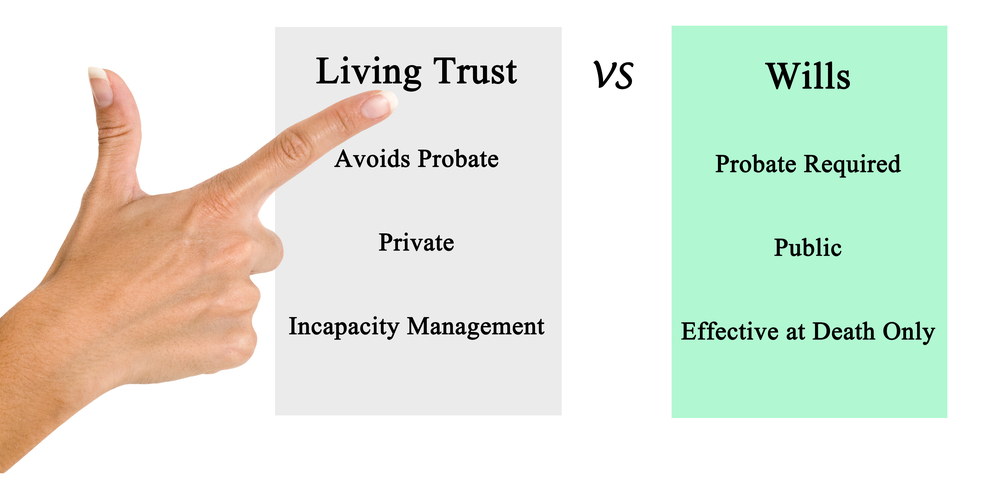
Trusts are a popular estate planning tool because they can help you accomplish numerous goals at once. At a very simple level, a trust is a legal entity that holds your assets that are intended to benefit others. They help you control how your assets are distributed after your death and help you plan for incapacity.

It usually falls to a knowledgeable estate planning attorney to create a trust document to achieve a specific purpose but the basic concept should be understood by anyone who is thinking about leveraging a trust. The three key groups involved in the implementation of a trust include the grantor, the beneficiary and the trustee. The grantor is the person who funds the trust with assets and creates it.

The beneficiary is the person or individuals who benefit from the trust. The trustee is the person who holds legal title to the trust’s assets and administers the provisions of the trust as outlined in the document. The trustee must meet a fiduciary responsibility to act in the best interests of the beneficiary. When used properly, trusts can be used to avoid the expense and delay of probate court, shield assets from potential creditors, minimize estate taxes, assist with issues of incapacity and move income tax burdens to beneficiaries in lower tax brackets.

To discover how a trust can be used to help you accomplish your goals, schedule a consultation with an experienced estate planning lawyer.

What to Bring to Your First Estate Planning Lawyer Meeting

So you just set up a time to meet with an estate planning lawyer- now what? What do you need to think about in advance or prepare to bring with you to that first meeting?

The important thing is that you’ve already taken the step to meet with a professional about how to align your estate planning goals with available strategies.

In your first meeting, prepare to bring a rough list of your assets and accounts that you have. This means that you can then discuss what should be part of your overall estate plan.

If you have other documents, such as beneficiary forms, wills, trusts, or other planning tools you created in the past, bring these as well. Whether you decide to revoke those previous creations and instead create new documents in line with your current plans.

If you have information on other items in your taxable estate that do not include account statements, such as vehicles or jewelry, you might want to list these out and also bring with you any papers on appraisals already accomplished by you. This is especially important if you believe that your estate might be close to the federal taxable limit and you want to be clear about whether or not you need advanced planning tools.

When you meet with your estate planning lawyer, you want to know that you have considered all the broad issues together and have a plan that meets your needs now and can also evolve over time to adjust to your life changes.

Another thing to bring with you to your first meeting is a list of questions you have for your lawyer. During your initial consultation, you can make the decision about whether or not this is the right fit for you to work with this lawyer. Bring a notebook to keep track of your answers to these important questions.

Can I Leave Behind an Unequal Inheritance?

Do you have questions about leaving behind unequal amounts or assets for your loved ones?

It might be simpler for the vast majority of older parents to leave the exact same inheritance or asset value to each adult child. However, equal is not always the best fit. Many more people are confronting this question in light of the pandemic. You may be concerned about protecting a child who needs it more or paying back a child who helped with caregiving in your older years. 

Although leaving equal inheritances might be the default method and still the most popular, many people are thinking about the benefits of using different amounts. A recent study by Merrill Lynch Wealth Management found that two thirds of Americans age 55 and above said that a child who gave them care should receive a bigger inheritance than those children who did not contribute. 

The study also found that one out of four parents said that an adult daughter or son who had children should get more than a child who did not. Equity will be different for different families but having a conversation with an estate planning lawyer can help you figure out the right solution for you. 

Unequal inheritances can sometimes trigger sibling infighting after a parent passes away. This is particularly true of cases in which family members believe that undue influence by a party who received more could trigger a contest of the will. For more support, make sure that you work directly with an experienced estate planning lawyer.   

What Do I Need to Do to Amend a Revocable Living Trust?

The very definition of a revocable trust means that you are able to make changes to it in a few different ways. You can, for example, prepare and sign a trust amendment that is valid under your applicable state law.

This makes an amendment or an update to the existing trust so if further substantial changes are needed you might wish to revoke the original trust agreement and create a new trust. The second option available to you is to sign a complete trust restatement valid under your state law. 

Your third option is the most expensive, time-consuming, and radical. This involves revoking the original trust agreement and any amendments, then transferring the assets that were stored in the revoked trust back into your own name. You could then create a brand new revocable living trust if you wanted. This third option might only be required if you are making significant changes to the initial trust agreement.

In most cases, restatements or amendments are appropriate if you just wish to add or change beneficiaries, if you divorce or if you marry or have a child. Make sure that you have a relationship with a trusted estate planning lawyer to protect your best interests.   

What Should I Ask My Elderly Family Member About End of Life Wishes?

Having a conversation around the topic of estate planning is often difficult for adult children. This is because it means coming to terms with your parents’ own mortality and discussing issues on which you might not agree.

Even though the subject might be uncomfortable to broach, it is good to have this conversation with your parents well before you need to take action on any of these specific wishes, otherwise your parents’ estate plan is incomplete without these clear directives. Although the form those directives will take depend on the state in which they live, they might include things like;

  • Physician orders for life sustaining treatment, which regards your loved one’s wishes about what kind of treatment they do or do not want to receive.
  • A living will with details about termination of life support under specific conditions.
  • The appointment of a health care proxy who can make medical decisions on behalf of your parent if they become incapable of making them on their own.
  • An advanced or medical directive that explains what kind of care they would like.

All of these circumstances can be very unwelcome to deal with in the moment but it is important to have a plan in advance so that you can be able to take the necessary next steps should something happened to your elderly parent.

What is NJ Asset Protection Planning?

What would happen if someone sues you? Do you have a plan? Or are you simply hoping this never happens to you?

While this situation can happen to anyone, certain people are perceived as bigger threats for lawsuits or creditors than others. Those in this situation take proactive steps to create an asset protection plan to decrease their overall risks.

The process of asset protection planning involves making critical decisions today that will protect your business, yourself, and your hard-earned assets from loss due to lawsuits, bankruptcies, or creditors period. This form of legal planning is especially important for business owners and professionals whose personal assets could be threatened in the event of a claim of someone else.

Federal as well as state laws exempt certain assets from the claims of creditors. You can discuss with which of your assets might be exempted from creditor claims. New Jersey means that you must use the state exemptions.

Because federal bankruptcy exemptions are not available, it can make sense to enhance your protection by converting those non exempt assets into exempted assets. Finally, if you’re an entrepreneur with a business as a sole proprietorship, you may need to schedule the support of an experienced New Jersey asset protection planning lawyer.


What You Need to Know About Revoking a Power of Attorney


If you’re no longer happy with the person you’ve named as a power of attorney or the powers you gave them in that document, it’s not enough to renounce that verbally. You need to take the extra step to clarify what this will look like by destroying the former document and creating a new one while also updating anyone who knew about the previous arrangement.

You have the right to revoke an existing power of attorney at any time, but it’s recommended that you work with an estate planning lawyer to do so. Your local estate planning lawyer can give you clarity around the action steps you took and give you peace of mind that you’ve done the necessary steps to revoke this document properly.

Make a statement in writing about your intention to formally revoke the old document so there is no confusion. When you right this, make sure to state that you are of sound mind and understand the implications of revoking this old document. You should mention the name of the original agent and the date this other document was executed.

Send a copy to the old agent and any institutions that had this on file so that you can fully protect the revocation, especially if you are executing a new POA document. More questions about crafting or revoking a POA document, sit down with your lawyer and discuss your next steps.

When Should I Use a Corporate Trustee as My Successor Trustee?

A successor trustee is the individual or entity appointed to handle trust affairs should you become incapacitated or pass away. If you are not sure that a family member or friend you intended to appoint in the role of successor trustee could handle this responsibility well or you fear that it could only spark further family conflict, you may be able to avoid some of these problems by using a trust company or the trust division of a bank.

No matter who you choose, your trustee should be professional and competent and have good skills when it comes to record keeping and decision making for distributing money to beneficiaries. A professional trustee might make the most sense in your case if you have a trust that is intended to last for a long time such as one that would provide for grandchildren.

Another example when it makes sense to choose a corporate trustee is if you have very valuable assets. In most simple revocable living trusts, however, that are designed for avoiding probate, it might not make sense to pay a professional because professional management in a successor trustee role is expensive.

Many trust companies won’t accept accounts that are below a certain minimum and will charge a percentage of the assets as the fee. Some of the potential downsides of going with professional management might include;

  • Not accepting other kinds of assets beside cash.
  • The management might not be as personal as that from a friend or family member.
  • Beneficiaries might have to deal with new people frequently as bank or trust company employees come and go.
  • Beneficiaries may not get a quick decision when they ask for trust funds since this will need to go through the other entity.

What Are the Requirements for Signing a Will in New Jersey?

Many people have different conceptions about what is required to create a will. Mistakes made in the will creation or signing process can prove problematic for your loved ones so it’s important to educate yourself first and to schedule a consultation with a trusted estate planning lawyer.

Although you do not need an attorney to create a New Jersey will, you might want to speak with an attorney if you are concerned about taking specific steps like disinheriting someone or you are worried about family members contesting your will. The basic requirements for signing a will in New Jersey include:

  • This document must be signed in front of two witnesses and,
  • Per New Jersey statutes 3(b):3-2, the witnesses must sign the will within a reasonable time after the testator has created or acknowledged it.

You are not required to notarize your will to make it legal. New Jersey does, however, allow you to make your will self-proving and you will need to obtain a notary in the event that you wish to do that.

If you want your will to be a self-proving will, since it might speed up probate and the court is eligible to accept the will without contacting the signature witnesses, you and your witnesses will need to go to a notary and sign an affidavit that states who each of you are and that you all knew that you were signing a will.


How Can I Change My New Jersey Will?

Have you had significant changes in your life circumstances that are making you rethink your existing estate planning documents? You are not alone. There are many different reasons why you might contemplate updating your New Jersey will.

In any of these cases, make sure you set aside time to speak to an experienced estate planning lawyer in New Jersey about your options. You may want to make changes to your will if:

  • You’ve adopted a child or had a child since you first created your documents.
  • You’ve gotten divorced or married since initially creating this will.
  • A personal representative or trustee passes away before you.
  • You have acquired a property that you wish to pass in a very particular manner rather than inside the terms of your will.

The process matters when you make updates to your will. Unfortunately, many people believe they can informally change their document by doing things like marking up an existing will or including an additional note, but these attempts are often unsuccessful. You have two options to update your will in New Jersey. The first of these is writing a new document and the second is adding an amendment to the will. If you are changing numerous terms inside the will, it is recommended that you create a new one to replace that older document. An amendment is used when you want to make a relatively straightforward change to a will. Your estate planning attorney can be the first one to help you update or revoke your will.

A knowledgeable New Jersey estate planning attorney can talk to you about whether an amendment or a freshly drafted will is the most appropriate way to view this situation. Schedule a consultation today with a New Jersey estate planning lawyer.


How Will a House Deed Get Transferred Upon the Death of a Parent In NJ?

When a parent passes away, the children of the deceased as well as the executor of the estate may have certain challenges when attempting to liquidate the estate’s assets. An estate planning attorney in New Jersey can be helpful for guiding executors through this process.

In plenty of estates, the home belonging to the parent may be the biggest asset inside the estate. It requires special involvement and is relatively illiquid. The transfer of real estate is not always easy. How the deed is titled at the time the person passes away will have a specific impact on how the property can be transferred. If you don’t currently have a copy of the deed, contact the county recorder’s office. There are several different types of deed issues that can impact transfer. These include:

  • Joint tenancy. If the home was owned in joint tenancy or tenancy by the entirety, this joint owner or surviving spouse automatically becomes the new property owner and a new deed is not required.
  • Sole ownership. The property has to go through probate before passing to the heir or heirs designated in the will.
  • In trust. Property can eb left to a variety of trusts and in this case a new deed would have to be prepared by the estate executor and recorded in the county clerk’s office.
  • Without joint tenancy. If the will specifies another person or people to whom legal ownership of the property should pass, a new deed will be required.
  • Fiduciary authority. The executor has the right to dispose of the property at a private or public sale unless the will specifies another disposition.

The support of an experienced estate planning attorney can be very helpful in navigating this complex process.


Biden Contemplating Significant Federal Tax Increase

Any change in presidential administration or big shifts in Congress could change current estate plan impacts, and that’s certainly true now. For business owners in particular, now is a good year to keep your eye on the news or your finger on the speed dial for your business, tax, and estate planning lawyer.

If you haven’t yet scheduled a consultation with your estate planning lawyer for 2021, you need to be aware of potential sweeping changes that could come to federal taxes.

For the first time in nearly 30 years, Biden is contemplating a massive federal tax increase that would raise the corporate tax rate from 21% to 28% and the proposal on the table also considers increasing income taxes for those people who earn over $400,000 a year.

The next spending package will include further details about this anticipated tax increase. This would be the first significant federal tax increase in nearly three decades since the last significant raises to the taxes occurred in 1993.

Another aspect for business owners to be aware of with these possible tax changes on the table has to do with cutting back the preferences that certain businesses get. As of now, for example, LLCs are not subject to corporate taxes as pass-through entities.

If these sweeping changes do come to pass, you will want to have the support of an experienced estate lawyer to help you create a comprehensive strategy for your next steps with regard to your business. Do not hesitate to contact an estate planning lawyer in New Jersey to learn more.


Three New Jersey Medicaid Mistakes Worth Avoiding

What seems like a minor mistake in the application process can turn out to be a big issue down the road. Partnering with a New Jersey Medicaid planning attorney early on gives you the best possible opportunity to protect your interests. NJ-medicaid-qualification

Mistake #1: Assuming that Medicare Will Pay for Your Bills

Medicare does not cover the vast majority of long term care expenses, meaning that your personal savings can be decimated quickly or your spouse is forced to sell assets to pay for the necessary health care. Without the proper planning you could be exposed to risks.

Mistake #2: Thinking that It’s Too Late to Do Any Planning

It is always beneficial to do planning well in advance but you should still consult with an experienced Medicaid lawyer if a loved one has recently entered a facility or is on the cusp of doing so. There may still be legal planning opportunities available to you.

Mistake #3: Gifting Assets Too Early or Too Late

Don’t risk your financial security by transferring everything else to your children. This can also cause difficult health care, tax and Medicaid eligibility issues. Make sure that you have an awareness of the five year lookback and penalty period before obtaining public benefits eligibility. Proper planning can help you avoid the vast majority of these problems and put you in a good position to be able to leverage New Jersey Medicaid benefits as soon as possible.


Why You Need a New Jersey Medicaid Plan

Plenty of NJ residents do not anticipate needing Medicaid or understanding its required aspects until it is too late. As long term care costs have been on the rise and life expectancies have also increased, the challenge for many people is about how to pay for these services. It can cost upwards of $8000 a month to live in an assisted living facility or a nursing home or to pay someone for home based care.

Many people will not have enough money inside their retirement accounts to support them even for a few months, much less years. The New Jersey Medicaid program can help pay for your long term care needs but it is only eligible to those people who pass certain tests on the number of assets and amount of income that they have. Multiple services can be provided to you by an experienced New Jersey Medicaid planning lawyer, including:

  • Comprehensive analysis of your current eligibility for long term care benefits through Medicaid.
  • A detailed review of your financial and asset records as well as plans for what to do with these assets if you intend to apply for Medicaid in the future.
  • Updating your current estate planning documents, such as powers of attorney, trusts and wills.
  • Assisting you with implementing and asset protection plan until you become eligible for New Jersey Medicaid benefits.
  • Crafting a plan to protect the assets of the community or healthy spouse.

In all of these circumstances, having the insight of an experienced New Jersey estate planning lawyer can go a long way towards easing your fears about the cost of health care in older ages.  Contact our office today when you need a short term or long term plan to help you family prepare for the costs of health issues in older age.


Two Things Every Qualified Retirement Plan and IRA Owner Should Do

In late 2019 Congress passed the Secure Act which represents some of the most significant changes to IRAs and qualified retirement plans since 2006. One of the most important and far reaching of these is the elimination of the opportunity to receive distributions from these accounts over the course of the beneficiary’s life. 

Many people might not have realized the updates this called for in their estate plan but there are critical steps that IRA owners and QRP participants should take when considering the potential impact of these changes on their estate plan. Primarily, IRA owners and QRP participants should first review all contingent and primary beneficiary designations for IRAs and QRPs. 

The second step of this is to review any trust that is named as a contingent or primary beneficiary, including trusts for a spouse, trusts for non-disabled adult children, trusts for minor children and any special needs trust for a mentally or physically impaired beneficiary. 

The review should be completed by an experienced estate planning attorney who is familiar with the impacts of the Secure Act and can help guide you through this process of figuring out what to do next. The support of an attorney is instrumental in adapting your estate plan to necessary changes.        

An IRA account manager can also help you when you need to update your beneficiary designations. Any time that you make changes to your overall estate strategy, that information should be shared with your IRA account manager, too, so that these forms can be update.  

Is It Time to Clean Out the Family Filing Cabinet?


Keeping all of your key documents in one place makes it easier to grab these in the case of an emergency or find them in any other event in which you might need them. But if it’s been some time since you cleaned up the family filing cabinet, this might be a great opportunity to schedule a consultation with your financial planner, your accountant or even your estate planning lawyer to discuss changes in your strategy. 

This is a great time to do spring cleaning as it relates to your estate and your finances. If you’ve kept unnecessary old tax returns, utility bills or even medical records, now is a good opportunity to clean that out and leave the most important documents stored. You only need to keep your tax returns and related documents for a maximum of three years from the date the original return was filed.

However, if you are a business owner or individual filer, the IRS has the right to audit you for several years beyond that period. A general rule of thumb is that you can let these go after 7 years. You also don’t need to keep paper versions of these since digital records can be used in the event of an IRS audit. 

Self-filers and clients may choose to work with tax preparation companies that allow you to store your tax documents uploaded from a computer or mobile device. Whether it’s a power of attorney, a trust or your will, estate planning documents should always be stored safely. One document that must be stored in a physical location from an estate planning perspective is your will. 

There will be many hoops and jumps through the court in the event that you have to prove the will copy is valid. For more questions about the estate planning process, schedule a consultation with a lawyer in your area. 

Is it safe to Create Online Will

An online will makes it simple to be under the impression that you can complete all of your estate planning in a matter of just a few hours and be completely protected if something happens to you. However, as any estate planning lawyer can tell you, review of hundreds of estate planning documents that have been created in a variety of ways can show some of the gaps in creating an online will. 

You don’t want your loved ones to find out that you made estate planning mistakes, which is why it is recommended that you think carefully about whether or not an online will service is right for you. 

What seems like a minor mistake, omission or wrong term used in an online will created document could become very problematic for your loved ones who will be on the receiving end of all of these problems when you pass away. While attorneys might be on staff for online will creation services, you might need specific help to create your personal documents. 

This includes thinking about your individual goals, your beneficiaries, your assets and the tax implications of all the choices that you make. The support of an experienced estate planning lawyer can guide you through this process and ensure that you have considered all of the most important aspects of drafting your own will. 

While some people might be able to use an online will service to get started or cover their basic estates, the risks of making a mistake could be costly for your loved ones. 

The support of an attorney is instrumental in answering these key questions and giving you peace of mind that when something happens to you, your loved ones will be able to have a clear path towards resolving your estate. Think about both incapacity planning and planning for your assets after you pass away by leveraging the services of an estate planning lawyer.       

Entrepreneurs Cannot Afford to Neglect Succession Planning

Starting a business is an exciting and sometimes overwhelming proposition. Founders of companies often spend years putting most of their focus, planning and attention in building the business, scaling it and making it sustainable. One big way that too many entrepreneurs fall short is planning ahead for what will happen after they exit the company.

One study recently published by Wilmington Trust found that nearly 60% of privately held businesses in the United States had never even considered succession planning. An exit strategy should be discussed with key members of your team and this involves considering a few different priorities. 

These priorities are continuing to meet customers’ needs, ensuring that employees still have jobs and a future within the company if they wanted and making sure that the company remains viable over the long term future. Given that more than 8 out of 10 business owners have not engaged in succession planning, you need to carefully consider what key talent in the company would be eligible to step up and take on these important leadership roles. You might assume that a child or other member of your family will be the natural successor to taking over the company but it is often the case that some businesses do not survive into the second or third generation. You need to have careful succession planning strategies in place to avoid these potential pitfalls and ensure a smooth transition when you decide to leave.